
Edge computing is an emerging technology that aims to improve data processing, reduce latency, and enhance security across various industries. In this brief article, we will investigate the world of edge computing, its benefits, challenges, and real-world applications.
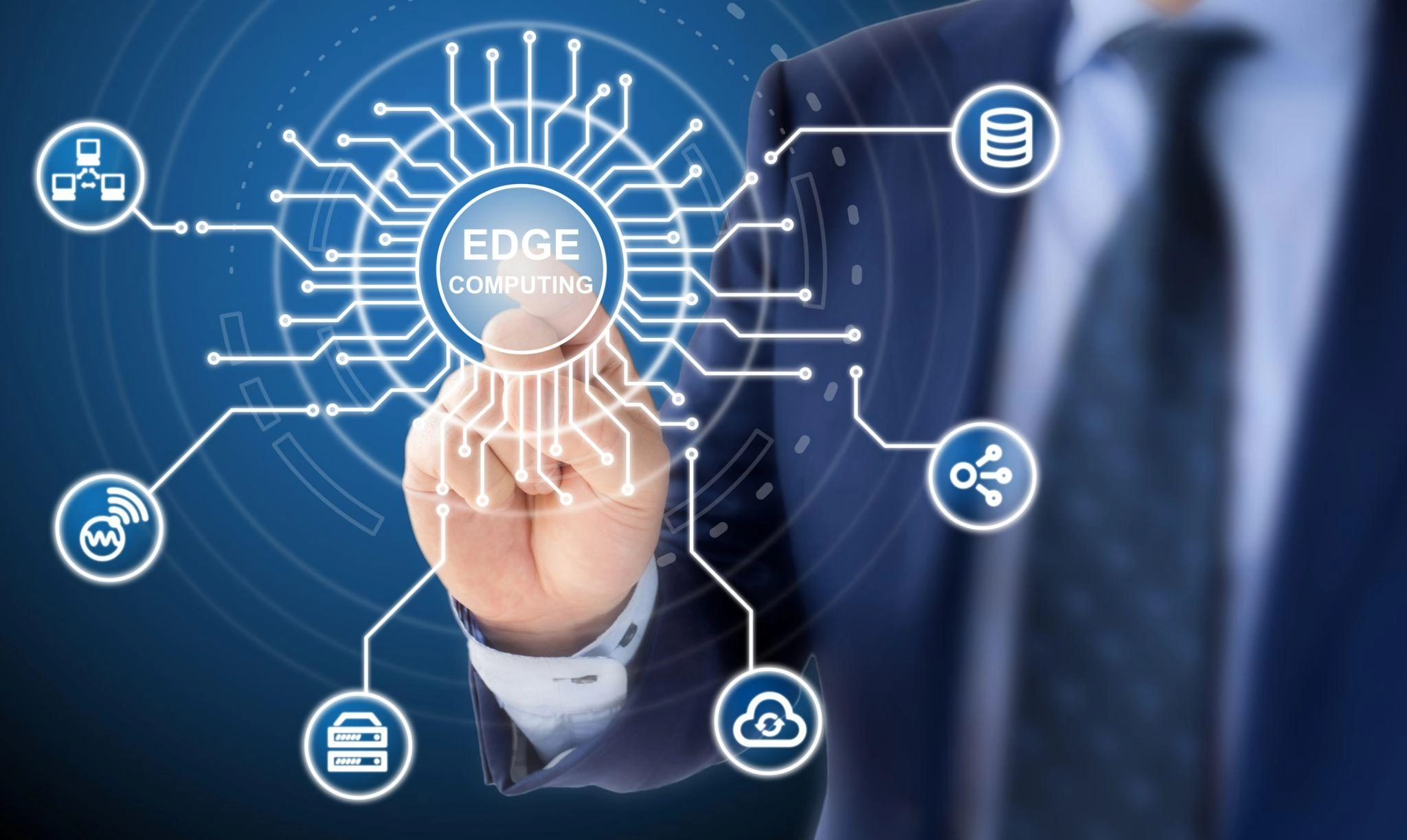
What is Edge Computing?
Edge computing refers to the practice of processing data closer to its source, rather than relying on centralized data centers or cloud services. By bringing computation and data storage closer to the devices and users generating the data, edge computing can significantly reduce latency, improve response times, and enable real-time decision-making.
Benefits of Edge Computing
There are several key benefits associated with edge computing, including:
- Reduced Latency: Edge computing enables faster data processing by minimizing the distance data must travel. This reduction in latency is crucial for applications that require real-time decision-making, such as autonomous vehicles, industrial automation, and smart cities.
- Improved Security: Storing and processing data locally can enhance security by reducing the risk of data breaches and cyberattacks associated with centralized data centers. Additionally, edge computing can enable more robust encryption and privacy controls for sensitive data.
- Scalability: As the number of connected devices and the amount of generated data continue to grow, edge computing can offer a more scalable solution than centralized data centers, which may struggle to keep up with increasing demand.
- Bandwidth Savings: By processing data locally, edge computing can reduce the amount of data transmitted over networks, leading to significant bandwidth savings and reduced network congestion.
Real-World Applications
Edge computing has numerous practical applications across various industries, such as:
- Internet of Things (IoT): IoT devices can benefit from edge computing by processing data locally, enabling faster response times and improved functionality.
- Healthcare: Edge computing can be used in healthcare settings to process patient data in real-time, improving diagnostics, treatment plans, and patient monitoring.
- Manufacturing: Industrial automation systems can leverage edge computing to enable real-time decision-making and optimize production processes.
- Retail: In retail settings, edge computing can be used to analyze customer behavior and preferences, enabling personalized shopping experiences and targeted marketing campaigns.
Challenges
Despite its potential benefits, edge computing faces several challenges, including:
- Infrastructure Deployment: Deploying edge computing infrastructure can be costly and complex, particularly for smaller organizations with limited resources.
- Data Management: Managing data across multiple edge locations can be challenging and may require new data management strategies and technologies.
- Security Concerns: While edge computing can improve security in some respects, it also introduces new vulnerabilities and attack surfaces that must be addressed.
Conclusion
Edge computing is a promising technology with the potential to revolutionize data processing, enhance security, and reduce latency across various industries. As the technology continues to mature and address existing challenges, we can expect to see even more innovative applications and solutions leveraging the power of edge computing.
